
Mie Lethek, A Healthier Carbohydrate Alternative
By Janika Irawan
MIE lethek may rarely ring a bell for those of us who do not live in Bantul, or Yogyakarta. Yet these noodles, crafted from cassava starch, are a signature local delicacy from Bantul, Yogyakarta. Type "mie lethek" into Google Maps, and dozens of eateries will pop up. One popular spot is Warung Senja Mbah Jumal.
Operating since 2016, Mbah Jumal’s noodle stall serves only a single menu item: mie lethek. Despite the limited offering, the eatery—located just a short distance from downtown Bantul—is consistently packed. "We currently sell around 150 to 200 portions a day," said Nur Ikhomah (48), Mbah (elder) Jumal’s daughter, on Thursday, August 6, 2026.
What began as a modest setup behind the family home has expanded over the last two years into a larger establishment in Pendowoharjo, Sewon, Bantul.
The noodle dish commands a loyal local following. Erni, a 43-year-old resident of Bambangliporo, Bantul, feels her week is incomplete without a plate of cassava noodles. It has become her go-to comfort food, which she eats two to three times a week. Her usual spot is Warung Bakmi Ponakir in Glagahan Caturharjo, Pandak, Bantul.
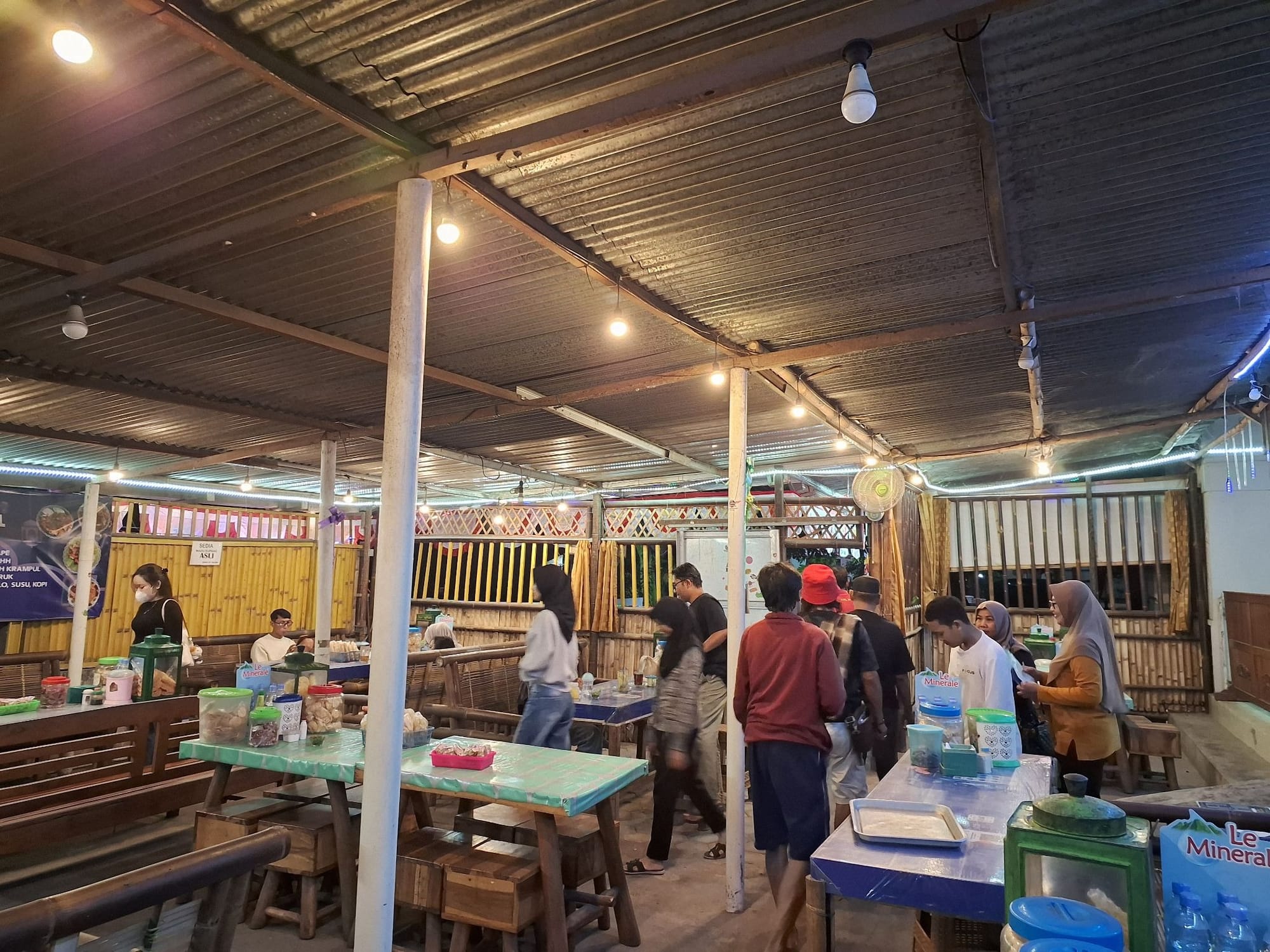
Sometimes she dines alone; other times, with her family. "Whenever we eat out, it has to be mie lethek," the 43-year-old said while waiting for her order.
Erni noted that the tender texture is one of the dish's main draws. The flavor profile is also distinct, setting it apart from standard varieties. "White wheat noodles all taste the same. But mie lethek absorbs the seasonings much better. It’s truly one of a kind."
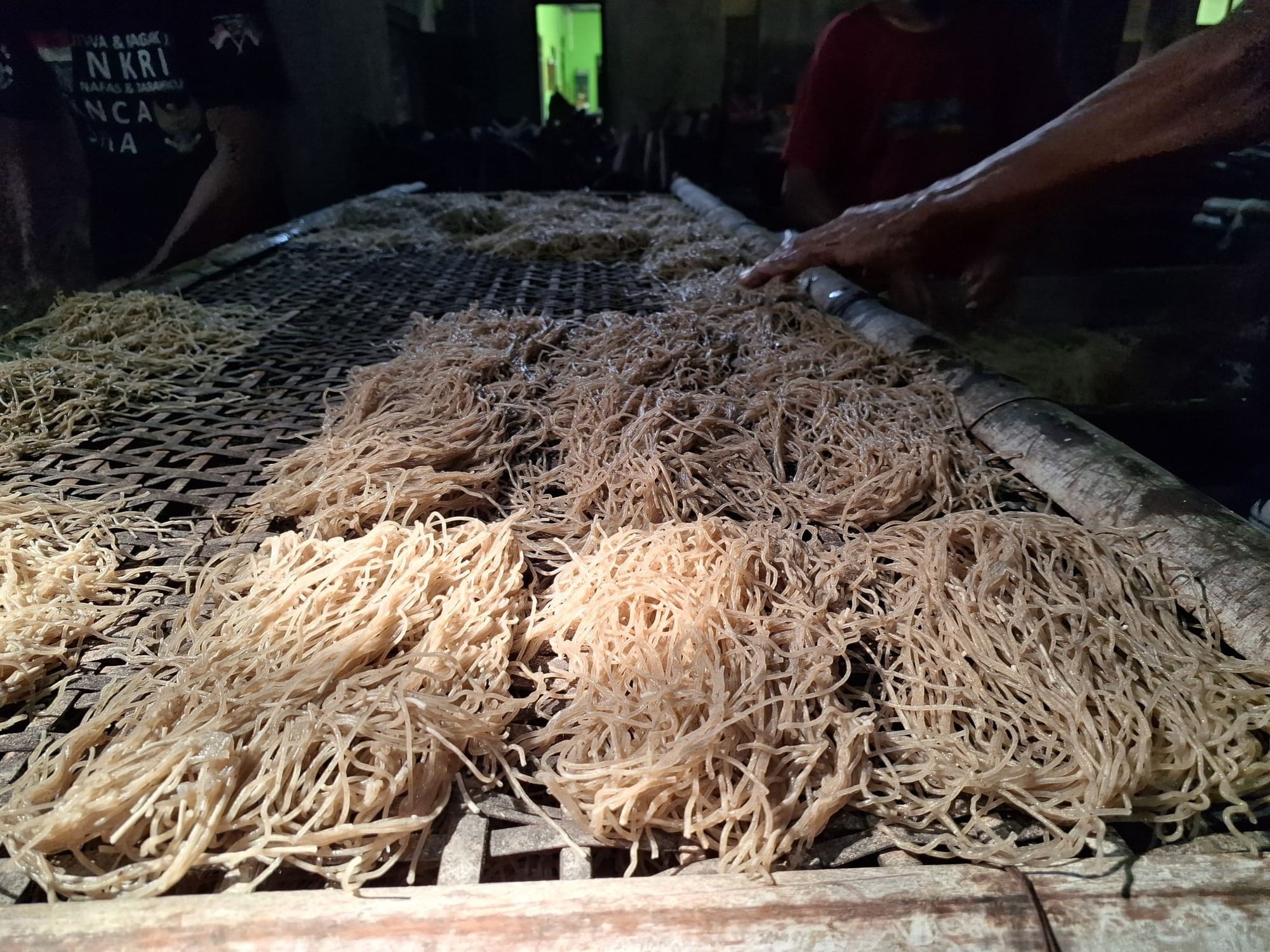
THE texture and flavor are not the only elements that distinguish this noodle—made from cassava starch, the fine white residue extracted from squeezed cassava tubers—from everyday wheat noodles. Its appearance is also unique, featuring a dull, brownish hue. This characteristic earned the dish its name: lethek, a Javanese term meaning dull, brownish, or dirty. The noodles contain no artificial colorants.
Mie lethek production centers in Trimurti Village, Srandakan District, Bantul. Its origins trace back to the pre-independence era in the 1940s, when economic hardship under colonial rule forced locals to rely on cassava as an alternative food source.
Umar Bisri Nahdi was the pioneer behind its production. However, the Bantul-native dish never gained widespread popularity in other regions, even today—despite offering several health advantages over mass-produced wheat noodles.
These benefits were highlighted in a study by BRIN researcher Hernawan, published in the Journal of Ethnic Foods on March 30, 2026, titled "Nutritional Heritage of Mie Lethek: Physicochemical Properties and In Vitro Digestibility of a Traditional Javanese Cassava Noodle."
According to Hernawan, scientific investigation was necessary to examine the physicochemical traits, starch digestibility, and structural changes of the noodles during digestion so the public could better appreciate the health benefits of cassava starch noodles.
"Understanding these properties is crucial," Hernawan said during an interview at the BRIN office in Playen, Gunungkidul, on Wednesday, August 5, 2026.
He explained that starch structure and processing conditions heavily influence enzymatic hydrolysis—the breakdown of food using enzymes and water—and post-consumption glycemic response (how rapidly and significantly blood sugar levels rise after consuming carbohydrates). Studying mie lethek’s digestion profile provides valuable insights into how traditional processing impacts nutritional functionality and its potential role as a culturally rooted carbohydrate source.
"We wanted to see if foods made using traditional methods offer functional benefits beyond just being an energy source," Hernawan said.
His research revealed that when consumed, mie lethek releases glucose gradually, indicating a slow rate of starch hydrolysis. Based on glucose release kinetics, starches fall into three categories: rapidly digestible starch (RDS), slowly digestible starch (SDS), and resistant starch (RS).
Mie lethek features a relatively low RDS content of 32.13–33.21 percent, a high SDS content of 62.9–63.3 percent, and a small RS proportion of 4.10–4.75 percent. The high concentration of SDS indicates delayed starch digestion and a sustained glucose release.
Furthermore, mie lethek has an estimated Glycemic Index (GI) of 68–69, placing it in the moderate category. This is substantially lower than standard wheat noodles, which carry a GI value around 80 due to a much higher concentration of rapidly digestible starch.
"Because mie lethek is 63 percent slowly digestible, glucose is released incrementally. As a result, blood sugar levels do not spike drastically," Hernawan explained.
Recognizing its cultural and culinary significance, the Ministry of Education, Culture, Research, and Technology officially designated mie lethek an Intangible Cultural Heritage item in 2019.
YASIR Ferry Ismatrada is one of the local producers carrying on the craft. The 51-year-old entrepreneur is the grandson of Umar Bisri Nahdi. At his facility, Ferry strictly adheres to the traditional methods introduced by his grandfather.
Production begins by soaking gaplek (dried cassava tuber) or fresh cassava for roughly two days, during which the water must be routinely replaced.
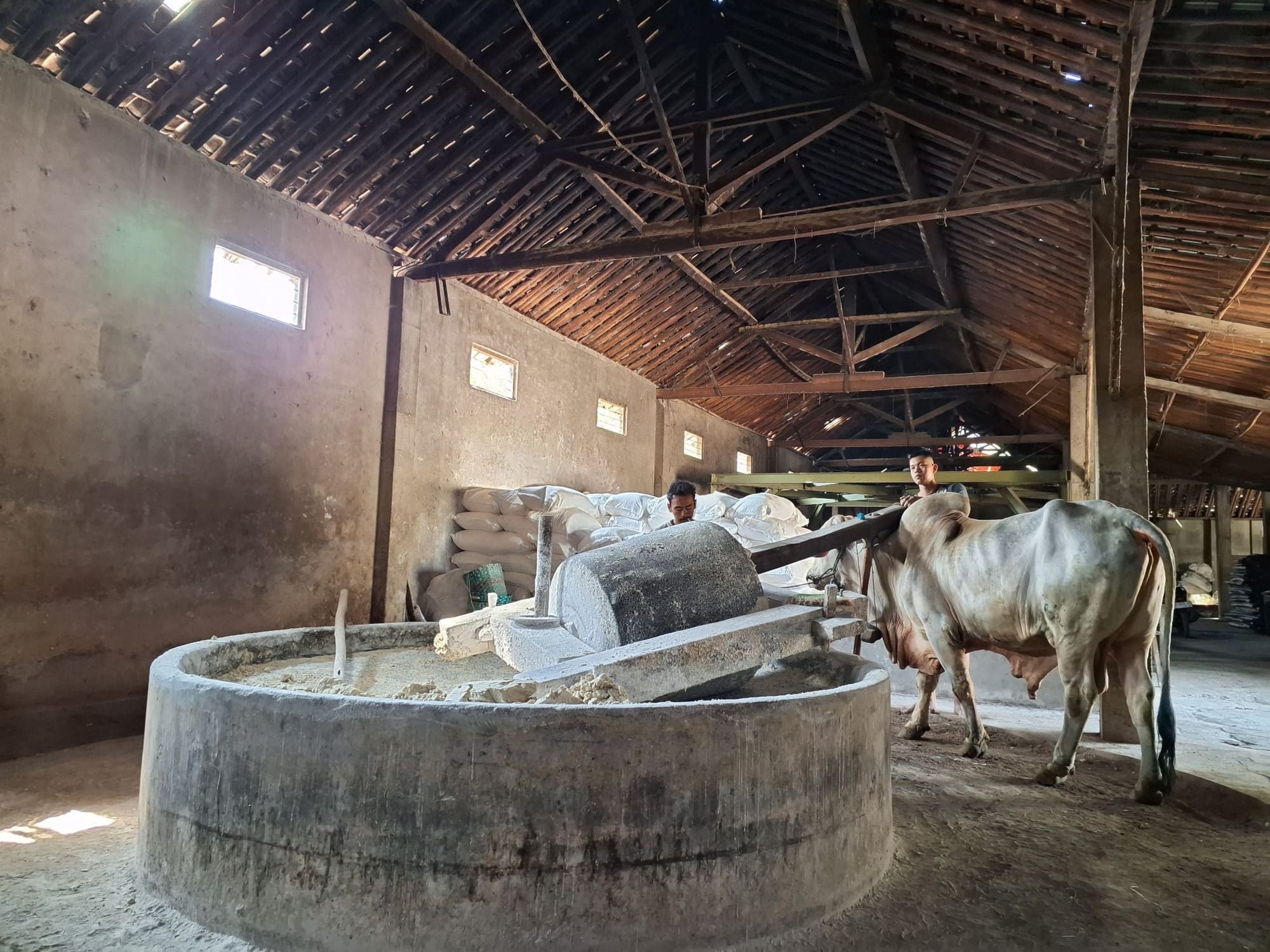
After soaking, the cassava flour is drained using sack filters to isolate the pure starch, which is then combined with tapioca flour to form a dough. The mixing process relies on a traditional mill driven by bullock power. A bull walks in a circle to rotate a massive, round stone over a concrete base, kneading the dough into shape. This traditional apparatus is locally known as a silinder (cylinder)
Next, the dough is pressed into rectangular slabs and steamed for about 1.5 hours before returning to the stone mill for further blending. It is then fed into a mechanical press to form noodle strands.
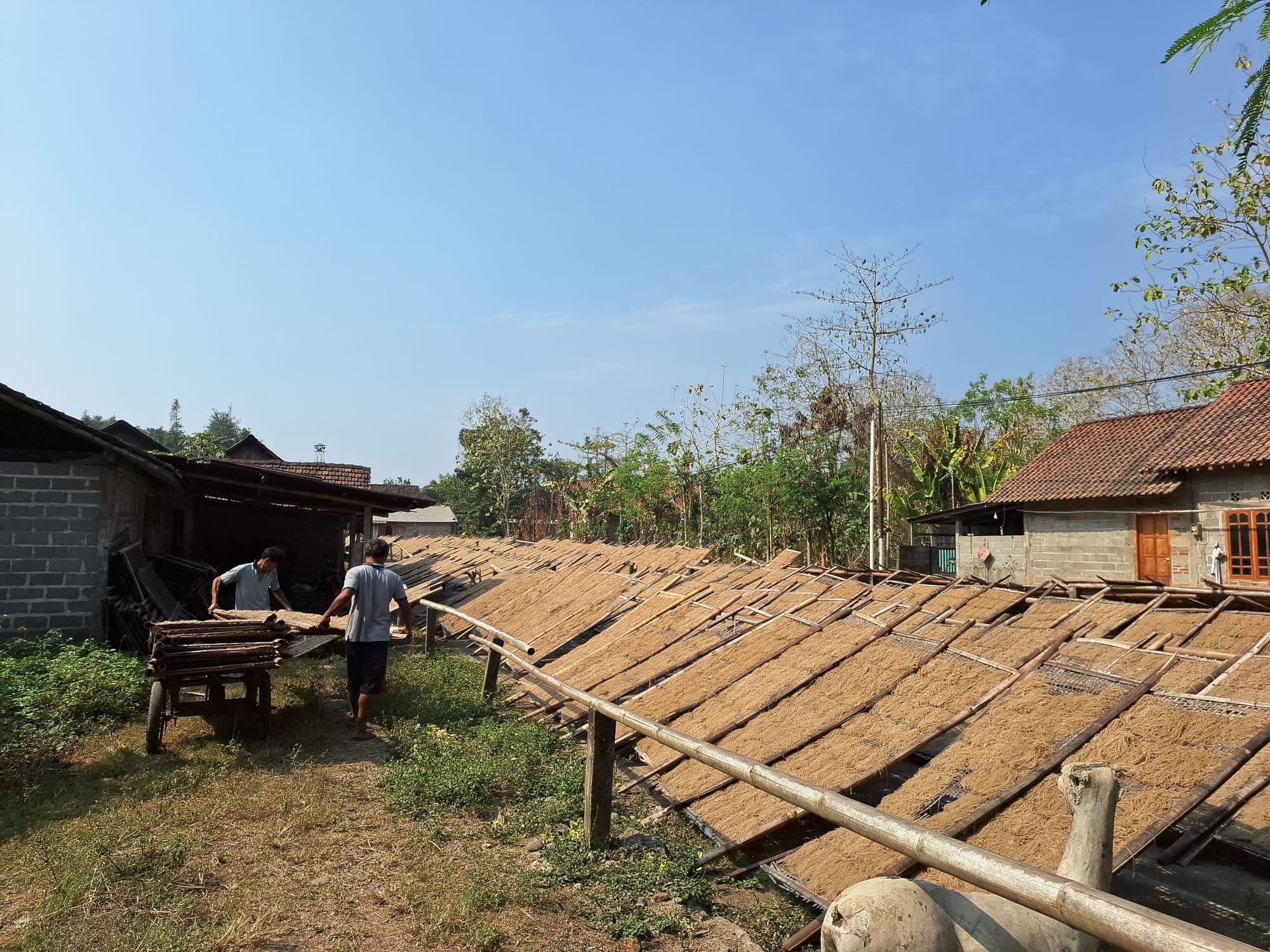
Even after shaping, the process is far from complete. The noodles are steamed a second time and left to rest overnight. Once cooled, they are washed in water to prevent sticking and laid out to dry under the open sun.
"If we have full sunlight starting from the morning, the drying process is complete by 2pm," Ferry explained.
According to Hernawan, the moderate glycemic index in mie lethek is highly likely a result of its traditional processing method, particularly the repeated steaming and direct sun-drying.
This process triggers starch retrogradation and the formation of semi-crystalline structures, which reduce enzyme accessibility. Consequently, a major portion of the starch transforms into slowly digestible starch (SDS), causing glucose to be released gradually during digestion.
"So the multi-step and repeated process has an impact. Several theories suggest that this method can lead to the formation of resistant starch," Hernawan explained.
DESPITE its nutritional advantages over wheat noodles, mie lethek has a notable drawback: low protein content. Its traditional production involves no fortification—meaning no high-protein ingredients are added as supplementary nutrition.
Hernawan noted that the future of mie lethek rests at the intersection of cultural preservation, nutritional relevance, and sustainable food systems. As a locally rooted cassava product, it holds strong potential to support food diversification efforts.
"Future development should prioritize enhancing its nutritional value, such as fortifying the noodles with local legumes or other micronutrient-rich ingredients."