
Nutraceuticals: The Replacement for Livestock Growth Antibiotics
Dody Hidayat
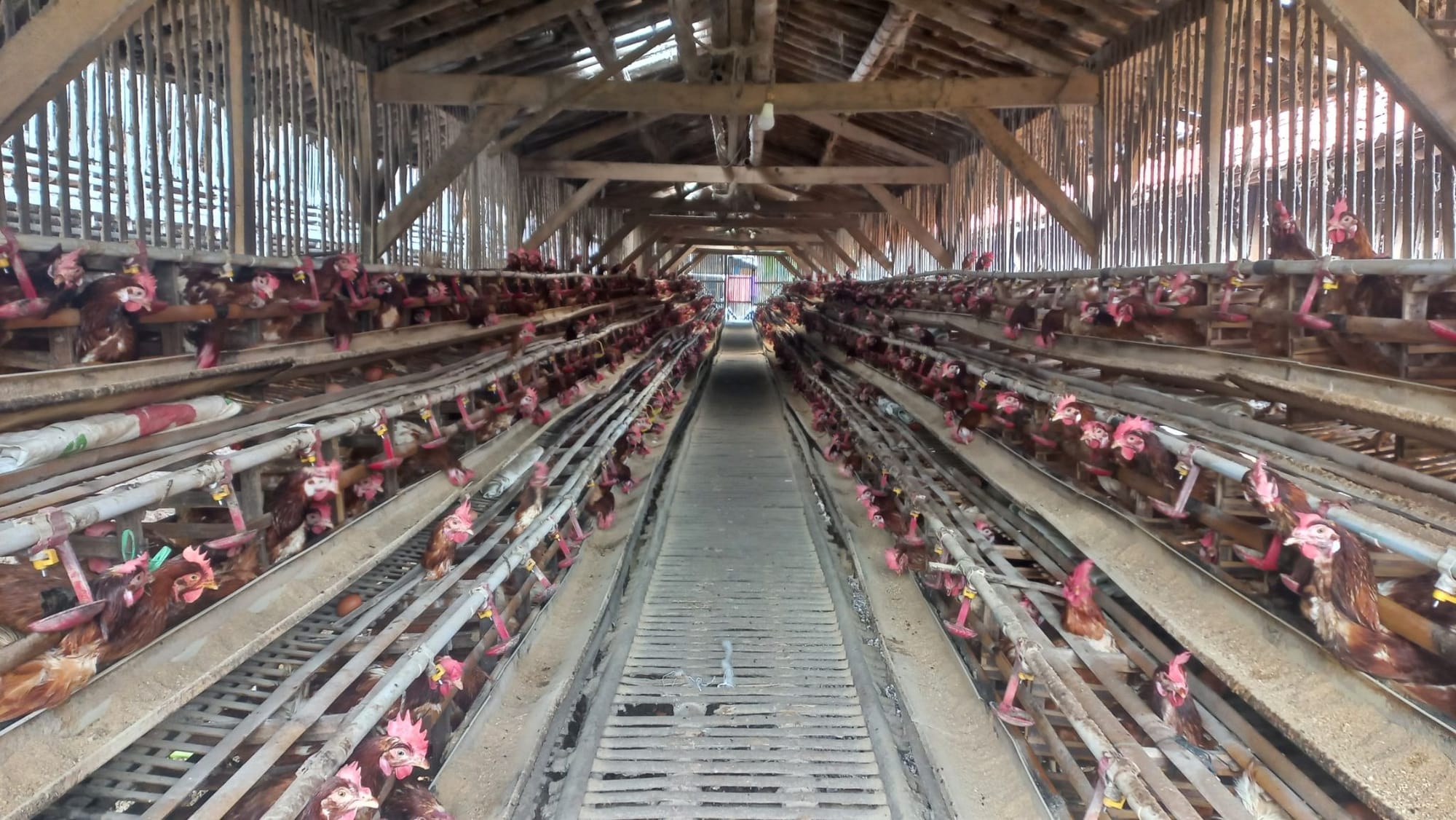
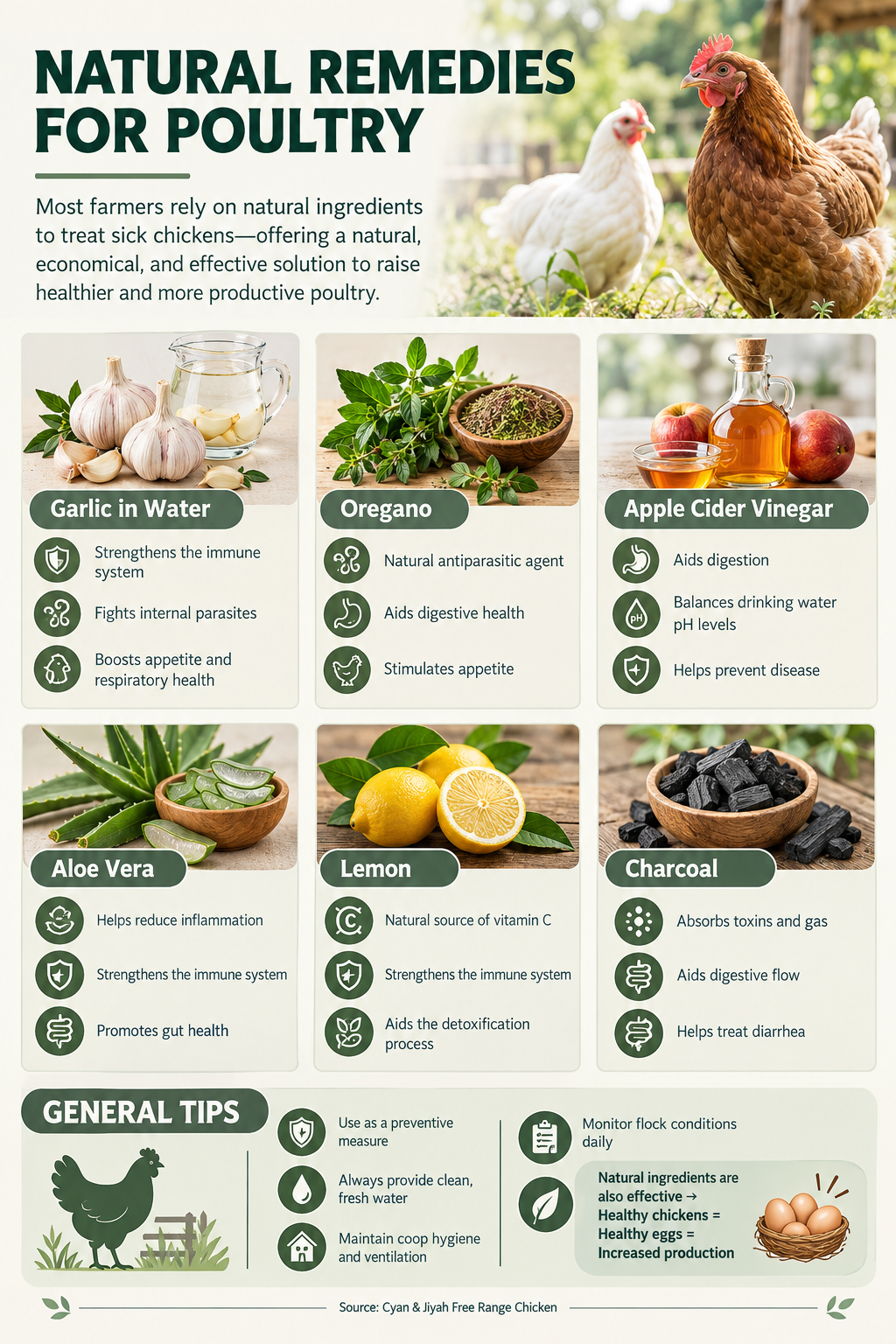
A PLASTIC bag of lemons sat on the porch of Rohim’s bamboo-walled, cement-floored cottage. As the sun began to set, the 37-year-old would process the adult-fist-sized lemons into juice, which he then added to his laying hens' drinking water. He routinely dissolved the lemon juice along with palm sugar and apple cider vinegar in water as a stamina-boosting supplement to help the chickens cope with heat stress while preventing fragile eggshells.
"I usually use water from the AC (air conditioner) because it has a neutral pH level. I give it to them at midday, right when the sun is at its peak," Rohim said when met at his farm, '4 Putri Farm,' on Gang H. Iyang, Jalan GOR Barat Pemda, Pakansari Village, Cibinong Subdistrict, Bogor Regency, West Java, Wednesday, September 23, 2026.
According to Rohim, who has raised 3,000 chickens on the farm he established in 2008, his homemade lemon juice concoction effectively prevents his livestock from contracting infectious coryza—locally known as snot—and chronic respiratory disease (CRD). Both coryza (chicken cold) and CRD (chronic rattling) attack the avian respiratory system. The former is caused by the bacterium Avibacterium paragallinarum, while Mycoplasma gallisepticum triggers the latter.
Rohim admitted that he used to treat chickens suffering from cold or CRD with fermented garlic. However, if the illness persisted, he relied on chemical drugs from an animal health and pharmaceutical company in Bandung. Rohim mentioned two drug brands: one a combination of sulfonamides and diaminopyrimidines, and the other a combination of tetracyclines and macrolides.
Antibiotics are a class of drugs that combat bacteria by killing them or halting their ability to reproduce. First discovered by Alexander Fleming in 1928, the Scottish scientist noticed that Staphylococcus bacteria in a left-behind Petri dish were dying and dissolving near a blue-green mold. The mold was identified as Penicillium notatum, and the active substance it produced was named penicillin—a drug that saved millions of wounded soldiers during World War II.
Today, however, Rohim’s chickens almost never fall ill because he diligently maintains coop hygiene by spraying disinfectant every two days. Lemon peels—the leftover waste from his juice—can also be fermented into an eco-enzyme liquid that functions as a disinfectant.
INDEPENDENT farmers like Rohim still use antibiotics for disease therapy. Meanwhile, the use of antibiotic growth promoters (AGPs) in feed was completely banned by the government on January 1, 2018. The rationale behind the ban was to prevent antibiotic resistance, reduce the risk of chemical residues in livestock products, and avoid damage to digestive functions caused by the eradication of beneficial gut bacteria.
Raphaella Widiastuti, Principal Researcher at the Research Center for Veterinary Science under the National Research and Innovation Agency (BRIN), said that most farmers do not observe the withdrawal period for medication. Farmers are supposed to stop administering antibiotics several days before harvesting livestock products to ensure chemical residues clear from the animals' bodies before the meat or eggs are consumed by humans. Furthermore, antibiotic administration is often incorrect in type, timing, and excessive in dosage.
"The danger of excessive antibiotic use, beyond causing resistance and chemical residues, is the spread of superbug bacteria and antibiotic residues into the environment," Raphaella told Tanahara via WhatsApp, Tuesday, September 15, 2026.
The superbugs Raphaella referred to are bacteria in the poultry gut that survive antibiotic treatment due to genetic mutations that confer resistance, eventually becoming dominant. Because the animals do not absorb all the antibiotics, most of the active drugs and the surviving superbugs are excreted through feces and urine.
Farmers often use livestock manure directly as organic fertilizer without proper composting. As a result, superbugs and residual antibiotics transfer to and contaminate soil and water sources. Once the environment is contaminated, these superbug bacteria can re-enter the human body through several pathways—such as consuming vegetables or fruits irrigated with polluted water or through direct contact with contaminated soil or water.
Raphaella’s unpublished 2019 study revealed that fluoroquinolones were the favorite class of antibiotics among laying hen farmers in West Java and East Java. In East Java, out of 30 survey respondents, six farmers used fluoroquinolones. In West Java, eight out of 22 respondents used them. The second most popular antibiotic class was tetracycline in East Java and sulfonamide in West Java.
Fluoroquinolones are broad-spectrum antibiotics highly effective against a wide array of bacterial infections. They work by inhibiting essential enzymes that bacteria need to replicate and repair deoxyribonucleic acid (DNA). For humans, fluoroquinolones are categorized as critical drugs for treating severe infections, including urinary tract infections, pneumonia, sinusitis, bronchitis, skin, bone, and joint infections, gastrointestinal infections, and certain sexually transmitted diseases.
At the 2026 Indonesian Animal Health Association Member Meeting Program in Jakarta in early June, Hendra Wibawa, Director of Animal Health at the Ministry of Agriculture, outlined new government policy measures. According to him, rising global resistance has put the use of fluoroquinolones in food-producing animals under the spotlight of the World Health Organization (WHO), the Food and Agriculture Organization (FAO), the World Organisation for Animal Health (WOAH), and the international food standards body Codex Alimentarius.
The government's proactive strategy, Hendra explained, uses a One Health approach—integrating human health, animal health, and the environment. This commitment is reinforced through the National Action Plan on Antimicrobial Resistance, strengthening food safety, and enhancing the competitiveness of livestock products. Hendra noted that on January 5, 2026, the government issued Minister of Agriculture Decree No. 63/2026, regulating the cessation of certain fluoroquinolones in food-producing animals, both as feed additives and direct administration.
Hendra emphasized the necessity of involvement from all stakeholders. He urged the animal health industry to develop alternatives such as biologicals, probiotics, and phytobiotics. Veterinarians must also strengthen accurate diagnostics and prudent antibiotic use, while livestock farmers must enhance biosecurity, vaccination, housing management, and good farming practices.
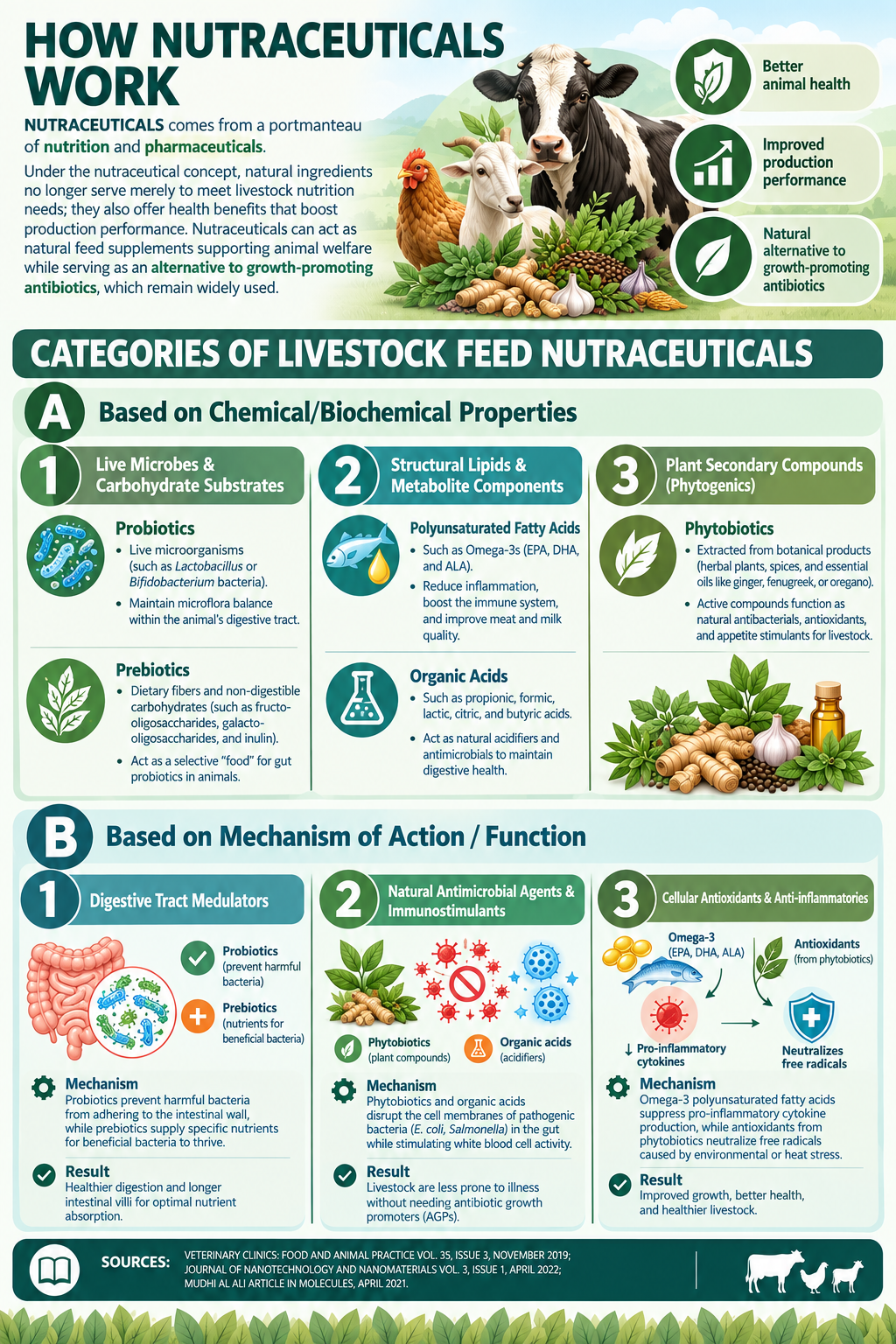
The probiotics and phytobiotics mentioned by Hendra belong to a category of natural feed additives designed to maintain digestive health and improve feed efficiency without triggering bacterial resistance. Probiotics are live microorganisms (such as Lactobacillus bacteria) added to feed to boost beneficial microbial populations in the animal’s gut. Phytobiotics are a group of natural bioactive compounds extracted directly from herbs or spices (such as garlic).
AN ALTERNATIVE solution to poultry growth-promoting antibiotics comes from research by Dini Dwi Ludfiani, a Junior Researcher at BRIN’s Livestock Research Center. Working within the Alternative Feed Technology Research Group, Dini developed a nutraceutical-based alternative feed for poultry. The concept of nutraceuticals—derived from a portmanteau of nutrition and pharmaceutical—refers to natural substances that combine nutrition with pharmaceuticals capable of enhancing production performance.
By definition, a nutraceutical is a food or part of a food that provides medical or health benefits, including disease prevention and treatment. Phytobiotics represent a small subcategory of nutraceuticals. The sources of nutraceuticals are vast, ranging from plants, animals, and minerals to microorganisms—including probiotics.
According to Dini, who earned her doctorate in veterinary medicine from the Veterinary Science Doctoral Program at Gadjah Mada University, Yogyakarta, in 2021, Indonesia possesses diverse biodiversity as a source of nutraceuticals. Spices such as cloves and cinnamon, herbal plants, plantation undergrowth, ferns, and agricultural waste contain various bioactive compounds capable of boosting livestock health and performance.
Dini divided her doctoral dissertation research into three phases. First, she isolated and identified Lactobacillus probiotics. Second, she evaluated the prebiotic and antibacterial properties of black galingale rhizome (Curcuma aeruginosa) and cinnamon (Cinnamomum burmannii). Third, she conducted in-vivo (inside a living body or natural setting) studies administering Lactobacillus supplements combined with black galingale and cinnamon.
In the first phase, Dini successfully isolated lactic acid bacteria from duck excreta at a farm in Bantul, Yogyakarta—72.72 percent of which were identified as belonging to the genus Lactobacillus. Among the screened Lactobacillus isolates, one strain identified as having the strongest probiotic potential was Lactobacillus plantarum BJ3.
In the second phase, Dini tested whether the carbohydrates or fibers in cinnamon and black galingale could stimulate the growth of target lactic acid bacteria, specifically Lactobacillus plantarum BJ3, without being easily degraded by the chicken's gastric acid. She proved that extracts of black galingale, cinnamon, or a combination of both exhibited synergistic prebiotic effects in supporting the optimal growth of Lactobacillus plantarum BJ3.
In the third phase, Dini tested the administration of a supplement combining Lactobacillus plantarum BJ3, cinnamon extract, and black galingale on 100 seven-day-old chicks. The supplement was added to their drinking water for 35 days to assess growth performance, digestive function, carcass and internal organ weights, as well as analyze cell structure, tissue architecture, size, shape, and thickness.
Comparing the final results, Dini noted that the difference between her Lactobacillus plantarum BJ3, cinnamon, and black galingale supplement and commercial products was minimal. "Commercial products were indeed slightly better," Dini said at her office in the Soekarno Science and Technology Park, Cibinong, West Java, on Thursday, August 20, 2026. For example, the final carcass weight using the commercial product was 1.8 kilograms compared to 1.5 kilograms with her supplement. "In terms of impact, both produced equally positive results," she added.
Dini acknowledged the difficulty in deciphering the exact composition of commercial products currently on the market. Unlike BRIN's supplement, which uses a specific mixture, commercial labels often lack transparency regarding ingredients. "If we want to mix multiple ingredients, we have to recalculate dosages," she noted.
Furthermore, commercial products are not transparent about the ingredients listed on their labels, omitting sources, specific probiotic strains, or herbal types. "We can only speculate that they might be using purified extracts because the results are so pronounced. In our case, we use raw extracts without purifying or isolating the target compounds," said the researcher at the Alternative Feed Technology Research Group.
Dini deliberately selected black galingale rhizomes and cinnamon spice because both have high carbohydrate contents, ranging from 70.46 to 81.82 percent. Additionally, cinnamon and black galingale contain secondary metabolites—such as alkaloids, phenols, flavonoids, essential oils, and tannins—and exhibit antibacterial properties against Escherichia coli and Staphylococcus aureus.
Dini intentionally sought out herbs that were not commonly used by the public to avoid competing with human consumption if scaled up. She screened around six herbal candidates as potential antibiotic replacements, including sambiloto (Andrographis paniculata), orange jessamine leaves (Murraya paniculata), and edible canna (Canna edulis).
"I deliberately chose temu ireng (black galingale) because people rarely use it for traditional herbal medicine (jamu). As for cinnamon, we used scrap shavings leftover from cinnamon processing that couldn't be sold," she explained.
Regarding safety for both livestock and consumers of livestock products, Dini provided firm assurances. "The dosage is well below the toxicity threshold. The administered dose is 1.2 percent of drinking water intake for both the probiotics and the herbal extracts," she said.
Although Dini's research is complete, the supplement product has not yet been commercialized. "The hurdle is finding a way for the community to adopt these research findings. We have the research product, but to scale up to production levels, we need a third party because we are not permitted to manufacture it ourselves," Dini said.
Dini expressed gratitude for finding an independent farmer willing to trial the research supplement on his flock. "Alhamdulillah, a poultry farmer in Pakansari Village, Cibinong, agreed to test our research findings on his chickens," Dini said.
Beyond nutraceutical research for poultry, Dini is currently investigating nutraceutical sources for ruminants. This new line of research emerged after she was invited to an integrated coconut plantation and cattle farm in Indragiri Hilir, Riau. Uniquely, the organic cattle farm relied solely on local vegetation growing within the coconut plantation as primary feed. The greenery was dominated by vegetable fern (Stenochlaena palustris), mixed with a small proportion of legumes and grasses.
"We were amazed—on limited marginal land, the cattle appeared healthy, lean, and rarely fell sick,” Dini said. “We suspect the phenolic compounds in the fern play a key role, though we haven't screened the specific phenol classes yet. Phenolic compounds can stimulate immunity, which naturally benefits the animal's entire digestive system."