How Cacao Cultivation Raises Household Incomes in Bolaang Mongondow
By Iswahyudi Masloman
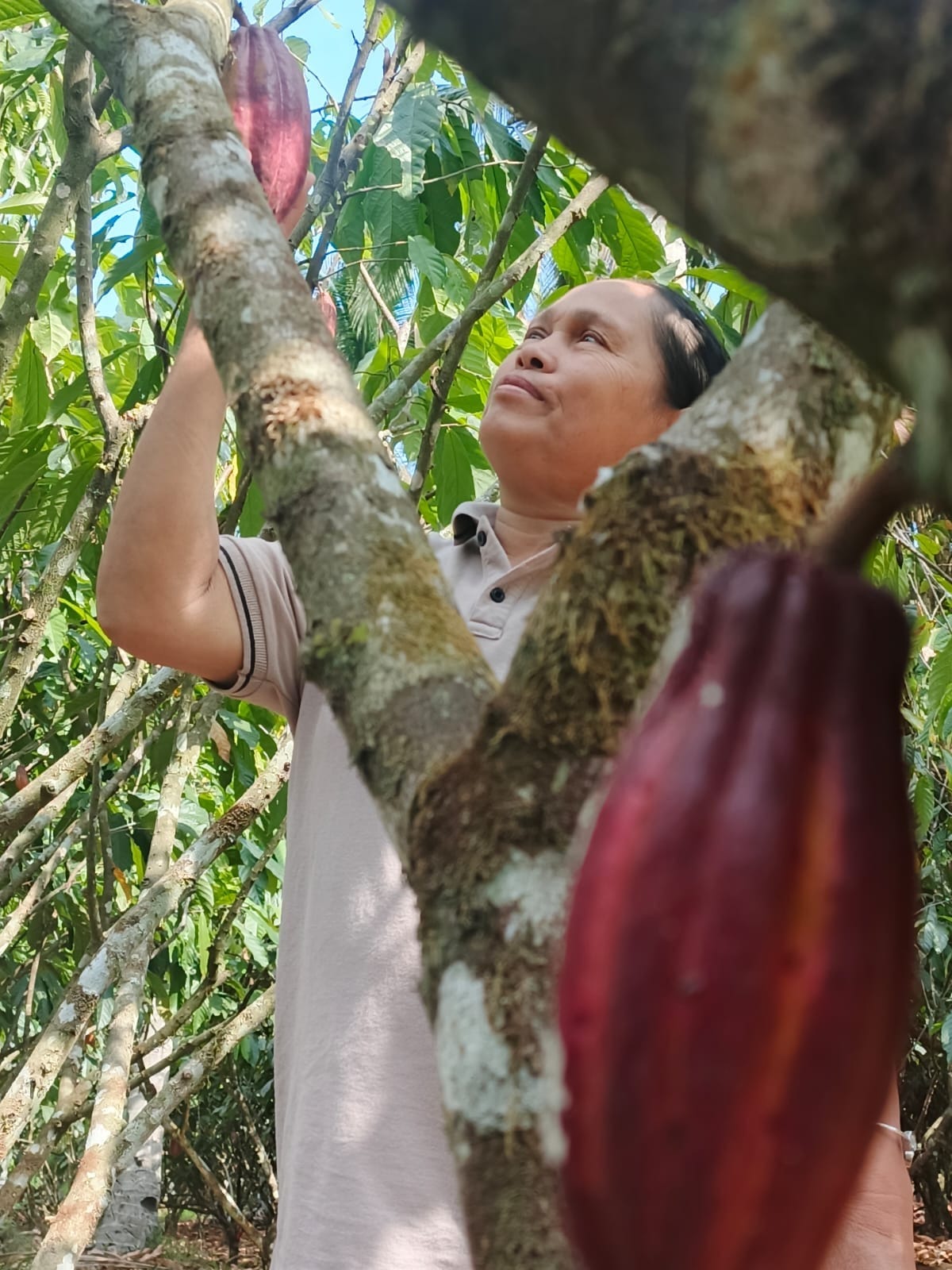
SUNDAY, September 27, 2026. Sunlight filtered softly through the dense canopy and moss-covered branches where plump cacao pods hung heavy. Beneath the trees, Min Podomi, 53, looked up. Her rough, calloused hands gently traced the purplish-red skin of a ripening pod, her fingers trembling slightly. Standing in Matali Baru Village, Lolayan Subdistrict, Bolaang Mongondow Regency, North Sulawesi, she could still barely believe that the lush green plot of land before her was finally her own.
For years, Min and her husband, Oman Dibo, 56, survived as daily farm laborers on neighboring fields. Their meager earnings quickly evaporated into groceries and school fees for their children. Whenever harvest time arrived on their employers' land, a quiet sorrow always crept in. Their sweat nourished the soil, yet prosperity belonged to someone else.
“Back then, let alone dreaming of owning a farm, our daily wages were barely enough just to get by,” Min recalled.
Min and Oman built their dream from crumpled banknotes saved with unwavering discipline. Every time she received her daily wages, Min set aside a tiny portion. It meant their kitchen had to run on the bare minimum.
Fortunately, the entire family stepped in. Watching their parents toil so tirelessly, Min’s children lent a hand. Heartbreakingly, Min said, her eldest two children had to drop out of school before reaching high school.
“The older siblings made sacrifices, joining the hard labor so their youngest sibling wouldn't face the same fate and could finish high school,” Min said softly.
Their shared sacrifices paid off. Funded by the family's joint savings, the youngest child not only earned a high school diploma but also opened a new chapter for the family after securing a job at a gold mining company in North Sulawesi, PT J Resources Bolaang Mongondow (JRBM).
Yet, a fresh wave of longing hit Min and Oman when JRBM launched its Community Empowerment Program (PPM) in 2019, focusing on cacao cultivation. They watched their neighbors begin farming cacao with hands-on assistance from the JRBM team, while they could only look on. “Our whole family really wanted to join. But we didn't own any land, nor did we have the money,” Min murmured.
Refusing to yield to fate, Min, Oman, and their children rallied over the next three years, setting aside every spare rupiah earned through their collective labor. By 2022, their combined savings were finally enough to purchase a three-hectare plot in Matali Baru, where land prices had temporarily dipped.
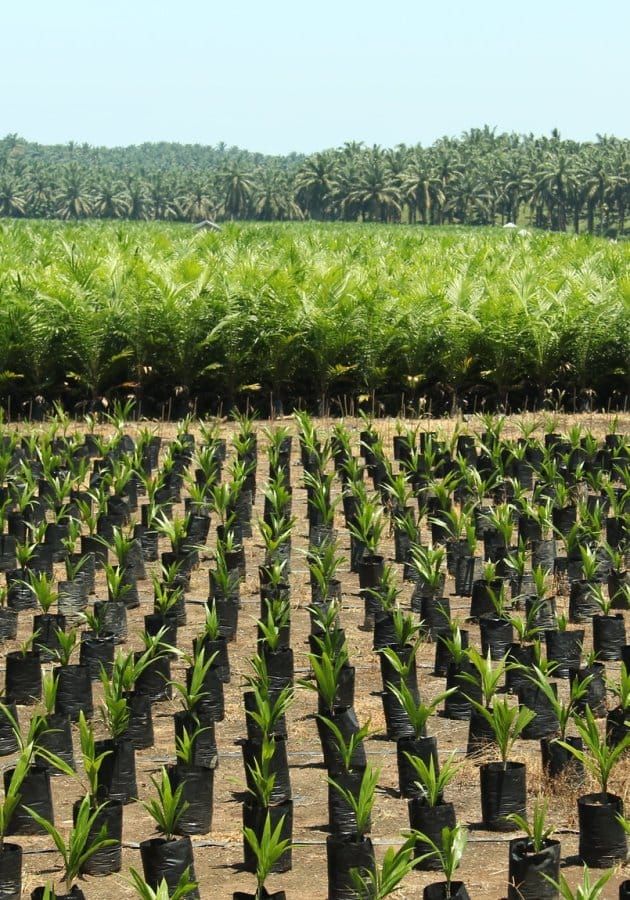
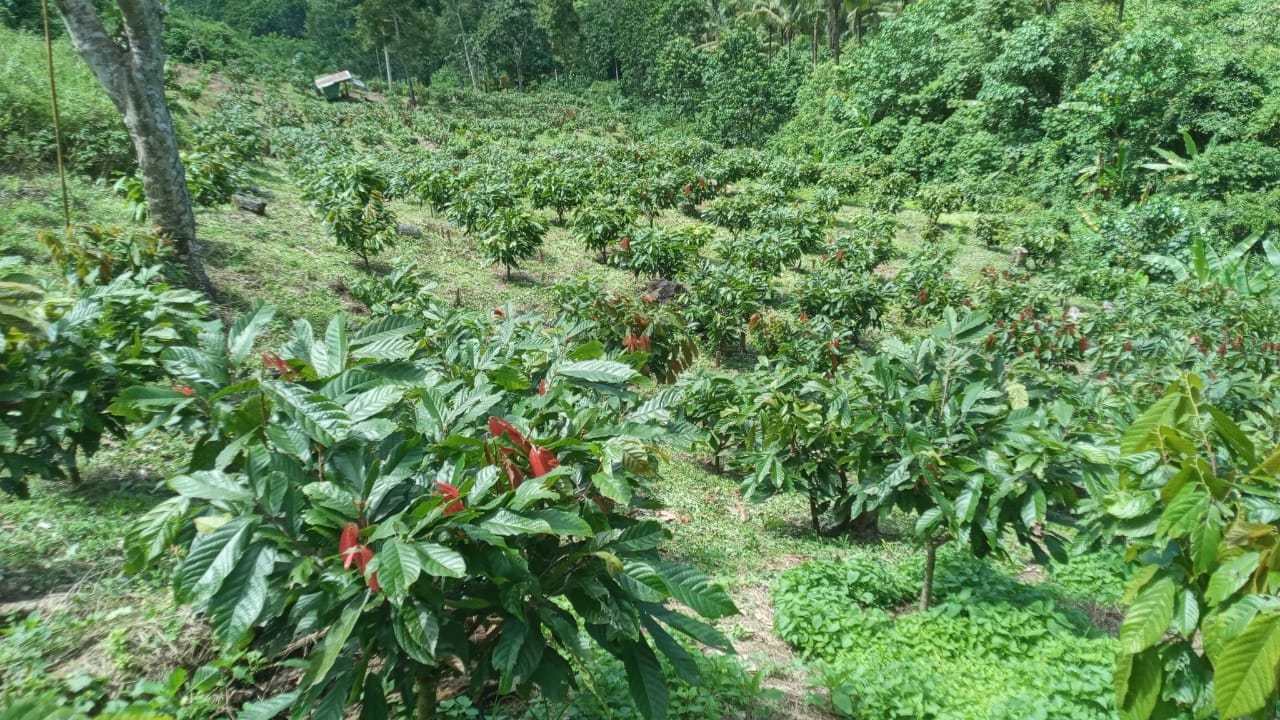
About a year later, the land began offering real promise. They planted 750 cacao seedlings provided by JRBM, later supplemented by additional support from the village government. Today, more than 1,200 cacao trees flourish across their verdant farm—standing proud alongside those of their neighbors.
A TOTAL of 320 farmers, divided into 32 groups—including Min Podomi and Oman Dibo—have received regular training from JRBM since 2019. Initially, they were taught how to cultivate high-yield cacao varieties using grafting techniques that combined local cacao with the resilient MCC 02 variety.
They were subsequently trained to produce organic and bio-fertilizers. As a result, the orchards of Matali Baru are now routinely infused with the sweet aroma of molasses blended with fermented fruits. Coconut husks are no longer burned as waste, and cow rumen from slaughterhouses is no longer discarded. In the hands of these farmers, these natural materials are transformed into potent liquid and solid fertilizers. Beyond being environmentally friendly, these organic methods cut fertilizer expenses by up to 80 percent compared to chemical alternatives.
Their collective hard work bore fruit. In 2023, the first group of farmers who joined JRBM’s initiative harvested their initial yield—a harvest that continues to produce to this day.
According to data from the Matali Baru Village Office recorded in its Real Family Income document, the average monthly family income stagnated at Rp2 million (US$130) between 2021 and early 2024. However, as the newly managed cacao farms reached productivity, that figure doubled to Rp 4 million (US$260). The numbers remained steady through late 2024 into 2026. By August 2026, the cumulative income of working family members reached Rp7 million ($455).
The success story spurred wider adoption across the village. Village office records show that between 2024 and early 2026, 150 families relied on the plantation sector for their livelihood. By mid-August 2026, that number jumped to 200 families, while the count of farm laborers held steady at 15 families. “This economic rise is visible to the naked eye,” said Wien Lomamay, the Village Head of Matali Baru.
The Bolaang Mongondow Regency Government also welcomed the initiative. “Our budget is limited and unable to fulfill all community requests for cacao seedlings, particularly around the mining ring,” said Jenny Liangga, spokesperson for the Bolaang Mongondow Regency Plantation Office.
MIN explained that her daily routine now revolves around ten-day cycles. Every ten days, her family’s joint farm yields between 150 and 180 kilograms of dried, market-ready cacao beans. The harvest does more than cover kitchen expenses; it brings a profound sense of relief that once seemed impossible.
With a wide smile, she proudly displayed a freshly picked, purplish-red cacao pod.
”Baai, minta doi!” (“Grandma, give me some pocket money!”) The crisp voice of her grandchild broke the silence of the orchard.
Min turned, spreading open her arms—once hardened by decades of manual labor—and pulled the small child into a warm embrace.
”Mo ba beli apa so, Baai pe cucu (What would grandma's grandchild like to buy)?” Min asked gently. She no longer feels the burden when buying treats for her grandchild.
The original article was published on zonabmr.com on Saturday, October 3, 2026, and has been lightly edited for this publication.