Green Melody from the Greenhost Kitchen
By Shinta Maharani
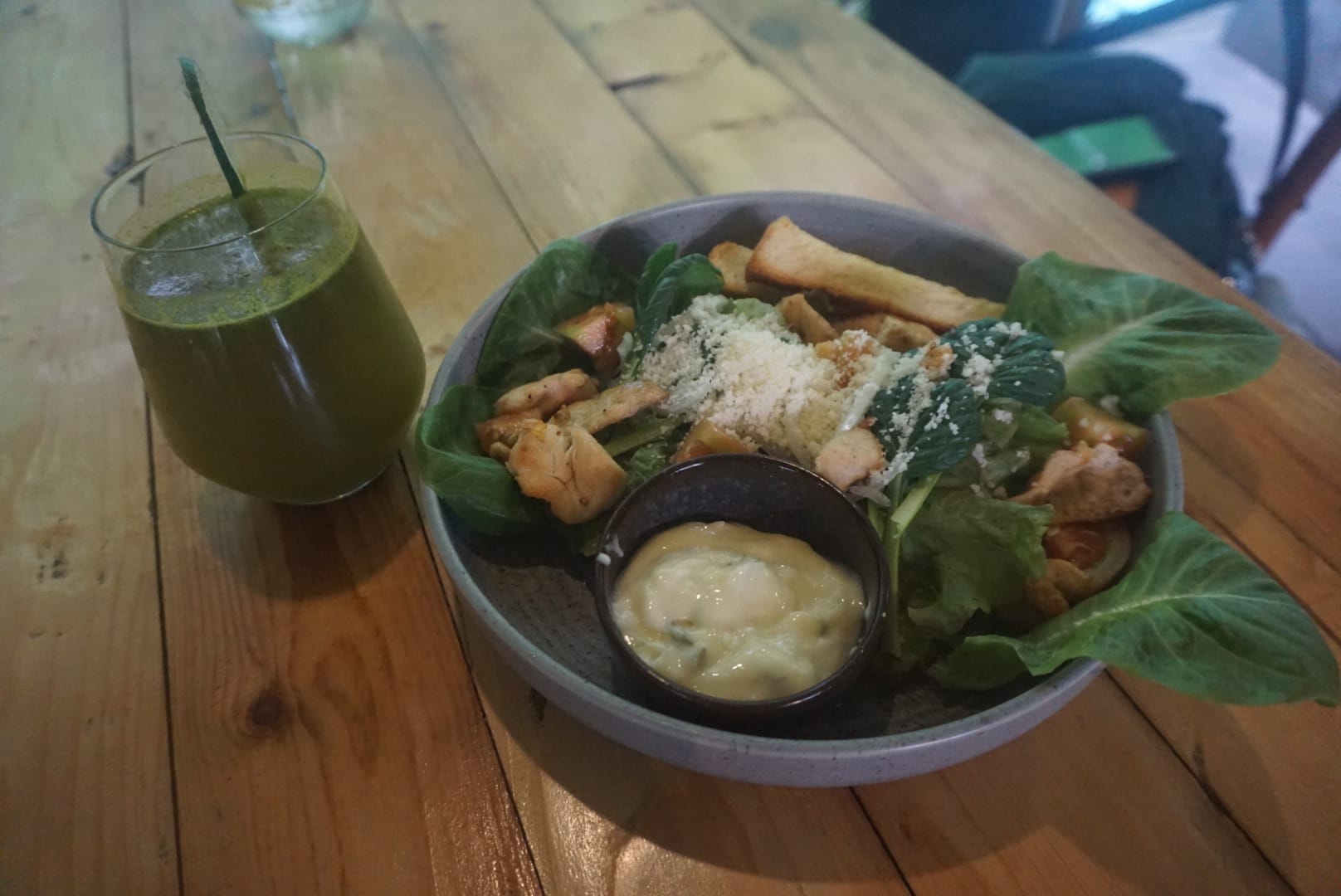
The thick, miniature-bowl-shaped leaves of pagoda mustard crackle with freshness. Plucked from the hotel’s hydroponic garden, the greens leave a subtly sweet and savory aftertaste, blending seamlessly with a zesty salad dressing. Fresh lettuce and tomatoes round out the plate, accompanied by an elegant glass of vibrant green mint juice. It is a refreshing midday treat, enjoyed at a table in Art Kitchen—an artistic poolside restaurant tucked just behind the lobby of the hotel on Jl. Prawirotaman II, Yogyakarta, on Tuesday afternoon, June 9, 2026.
"Nearly everything comes from our own garden," says Dita Retno, Marketing Communication Leader at Greenhost Boutique Hotel. "We really emphasize the farm-to-table experience."
The salad and mint juice are just a prelude to Art Kitchen's broader culinary repertoire. According to Dita, the restaurant was envisioned as a dining space anchored strictly by the farm-to-table philosophy, allowing guests to savor the vitality of freshly picked vegetables and herbs. The menu features staples like Caesar Salad, which tosses fresh greens with grilled chicken, and the Avocado Prawn Salad, combining crisp lettuce with shrimp and avocado. Meanwhile, the mint leaves find their way into the Melody juice—a blend of apple, turmeric, and honey—as well as the Venus, a concoction of spinach, celery, pineapple, and lemon.
For vegetarian guests, the kitchen curates a dedicated lineup, including gado-gado (Indonesian salad with peanut sauce), tempeh steak, veggie kebabs, and veggie pizza. These offerings regularly satisfy a clientele that is roughly 60 percent domestic and 40 percent foreign, largely hailing from Asia and Europe.
Established in 2014, Greenhost has long been revered as a pioneer of eco-friendly hospitality in Yogyakarta. The boutique hotel weaves sustainability, art, and creative education into a single fabric, ensuring that guests do not merely check into a room, but instead become active participants in a broader movement toward eco-conscious living.
Occupying a 5,193-square-meter plot, the building is defined by its sustainable architectural design, optimized natural lighting, and extensive use of recycled materials. To further bolster its green credentials, the hotel recycles its greywater through an advanced filtration system that eradicates odors and clarifies water for reuse. The property doubles as a cultural hub, hosting art exhibitions, workshops, and educational programs in tandem with local communities.
Curtains of Lee Kwan Yew vines (Vernonia elliptica) drape over the hotel’s facade like a living veil. From the lobby, guests can admire a lush garden boasting 30 varieties of ornamental plants. Golden pothos (sirih gading) twists and climbs across every corner, alongside exotic tropical flora such as Heliconia, Calathea, and Petrea volubilis.
Yet, the most striking feature remains the aromatic herbs. Aromatic mint vines wrap around the corridors like living fences on every floor. Guests can encounter these sprawling mint plants right outside the doors of the hotel's 137 rooms, as well as around the pool, kitchen, and restaurant areas.
According to Dita, mint has become Greenhost's signature flora due to its versatility. Beyond providing a lush, cascading aesthetic, mint offers notable health benefits and acts as a natural aromatherapy. "Guests can freely pick the mint leaves to brew with the tea provided in their rooms. That is the kind of storytelling we offer," Dita explains.
Greenhost champions a concept it calls "agricrafture"—a marriage of agriculture and craftsmanship. The idea stems from a desire to provide a lodging space that is not only comfortable but also inspires guests to adopt sustainable lifestyles.
The management has transformed its 500-square-meter rooftop and various idle corners into an urban hydroponic farm. Vegetables and herbs like pakcoy, lettuce, mint, pagoda cabbage, and basil are cultivated as vital organs of the hotel's ecosystem. "This program has been part of Greenhost's identity from day one, growing alongside the hotel," says Dita.
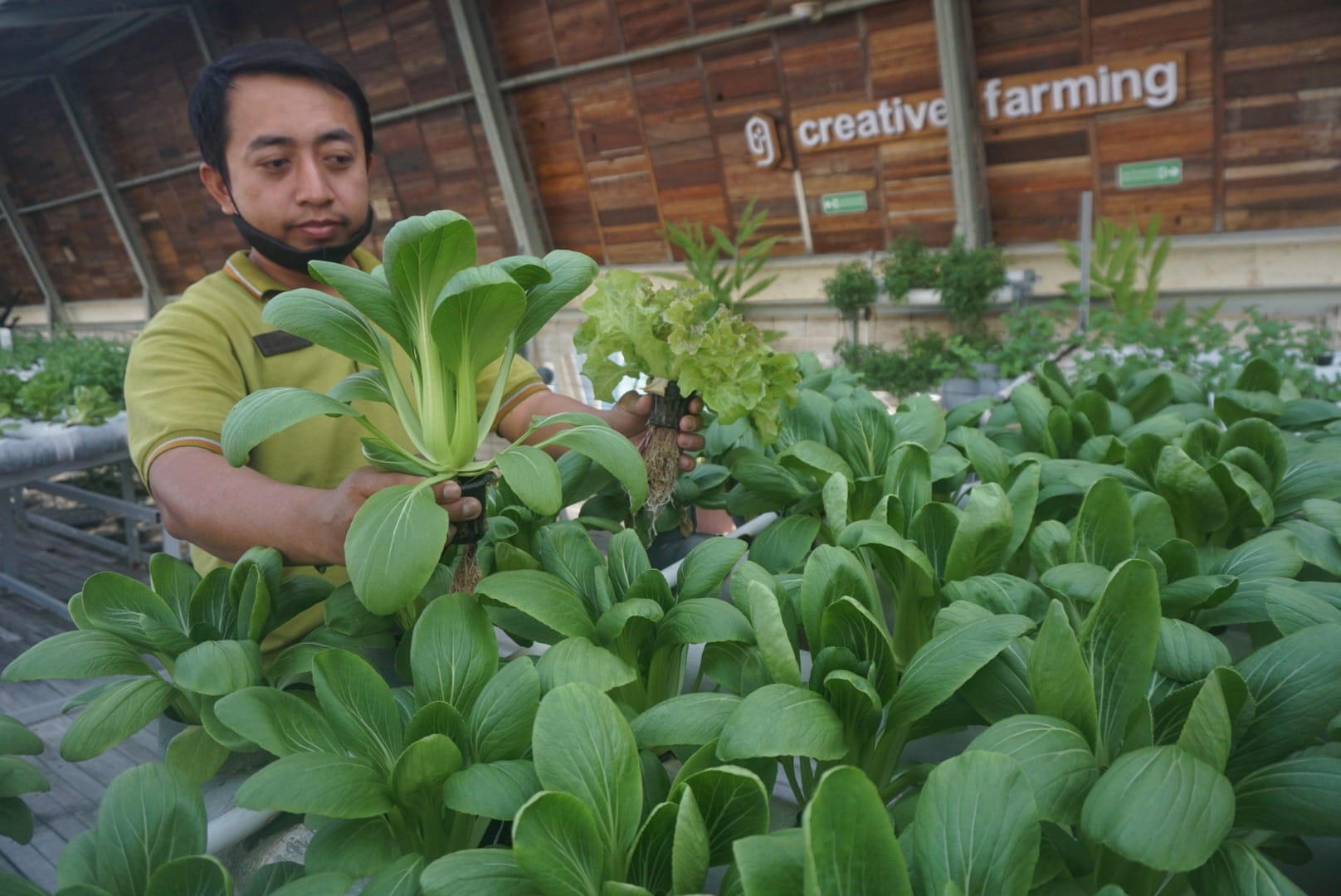
Every day, Sadmara, a dedicated handler at Greenhost, tends to some 20 varieties of hydroponic vegetables. He monitors nutrient levels, water conditions, the cleanliness of the hydroponic rigs, and overall plant health. The hydroponic setup drastically cuts water consumption compared to conventional soil farming, while maximizing vertical space. For fertilizer, the organic crops rely on nutrients derived from processed kitchen food waste. The team utilizes a specialized filtration system that channels treated waste nutrients to irrigate the crops via local drainage systems.
Dita notes that overhead costs for the hydroponic garden—covering plant nutrients, seeds, electricity for water pumps, supporting tools, and labor—tend to fluctuate depending on the crop variety and the season. However, for Greenhost, the return on investment is not measured purely in rupiahs, but in educational value, guest experience, and their unwavering commitment to sustainable hospitality. The management strives to make their urban farming practices as streamlined as possible.
The harvested greens serve as a primary source of fresh ingredients for Art Kitchen, particularly for salads, garnishes, herbal drinks, and juices. Even so, the rooftop farm is not yet designed to meet 100 percent of the restaurant's operational demands. Dita estimates that the garden currently supplies about 90 percent of the kitchen's vegetable needs. To secure bulk quantities, the hotel collaborates with local farmers and suppliers across Yogyakarta.
Intriguingly, Greenhost's farm does more than just feed the kitchen. Guests can buy the live greens directly from the source. The garden management prices a single mint plant at Rp 15,000, while a head of pakcoy and a head of lettuce go for Rp 6,000 each. "Guests can bring the vegetables straight down to the kitchen and ask the chef to prepare them on the spot," Sadmara says.
For those wanting to take a piece of the experience home, the hotel offers hydroponic classes priced at Rp 150,000 per person, where guests receive hands-on training in urban farming techniques. According to Dita, commercial vegetable sales from the hydroponic farm contribute roughly three to five percent of the hotel’s total revenue.
The bounty of Greenhost also trickles down to its employees and the surrounding neighborhood. Once a month, during the grand harvest, the management distributes free vegetables to staff and locals. Handing out the surplus, Dita says, is a core tenet of the hotel's corporate social responsibility.
The steepest uphill battle for Greenhost’s urban farm, Dita admits, is maintaining consistent quality and crop yields against erratic weather patterns. Fluctuations in sunlight, heavy downpours, shifting temperatures, and pests all play critical roles in determining the harvest's fate.
Furthermore, because the farming plots sit within an active hospitality venue, the team must ensure the crops are meticulously maintained without encroaching on guest comfort. It demands a long-term commitment, a workforce well-versed in agricultural techniques, and continuous innovation to keep the concept viable and beneficial for guests, the environment, and the local community.
Yet, the payoffs make the effort worthwhile, as eco-conscious travelers continue to stream in. Diatyka Widya Permata, a lecturer at the University of Indonesia, chose Greenhost precisely because of its green ethos. She first stumbled upon the hotel through her cousin's Instagram account, later cross-checking Greenhost’s website to get a clearer picture before booking. Diatyka was captivated by the prospect of finding a serene sanctuary nestled within a bustling urban village, coupled with an affordable price tag.
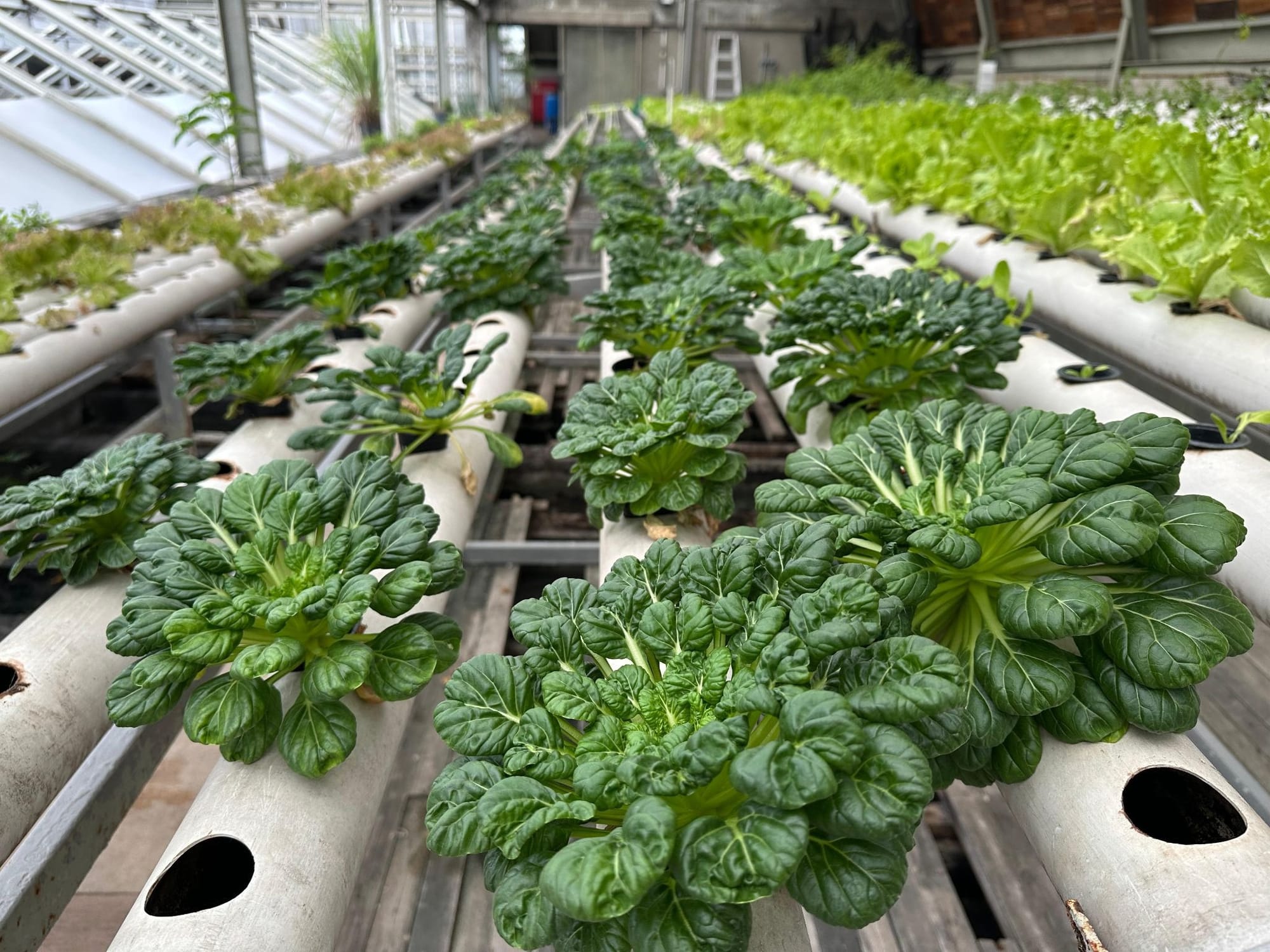
But what truly sealed the deal for Diatyka was Art Kitchen's menu. During her stay, she toured the fourth-floor hydroponic garden and left feeling inspired to replicate the setup at her home in Jakarta. "I fully support the spirit of environmental sustainability," she says.
Another guest, Dwi Putra, shares his delight in savoring salads sourced directly from the rooftop garden, even purchasing heads of lettuce and pakcoy to take home. As an advocate for organic cuisine, Dwi believes that fresh, farm-grown vegetables are superior in taste, richer in nutrients, and healthier overall. Moreover, bypassing the typically long supply chain from farm to table translates into a tangible reduction in carbon emissions. “It’s through those small things that I want to support environmental conservation,” said Dwi Putra.